
Mullein: A Traditional Plant Medicine for Wildfire Smoke Season
Summer has arrived, and unfortunately, so has wildfire season.
The photo featured as the header for this post was taken from my own patio, capturing the billowing smoke from a nearby wildfire in Boston Bar, BC. Watching the smoke move across the landscape was a powerful reminder of how connected we are to the land and how quickly our environment can change.
Wildfire season brings a heaviness that many of us are feeling such as concern for our communities, grief for the land, and awareness of the impact that smoke and poor air quality can have on our bodies.
Where I live in British Columbia, forest fires are affecting many communities not far from where I live and in areas that hold so much personal meaning for me. Places where I grew up are being impacted, and it is heartbreaking to witness the devastation happening across the land.
My heart is especially heavy for the First Nations communities who have been deeply affected by these fires. In Ontario, communities including Namaygoosisagagun First Nation and Whitewater Lake First Nation have experienced devastating losses due to wildfires. These situations highlight the ongoing need for better support, communication, and emergency planning for communities who are often among the first impacted by climate-related disasters.
Climate change is real. We are seeing the impacts through increasingly intense wildfires, extreme heat, flooding, and changing weather patterns around the world. The land is showing us that something is out of balance, and it is important that we pay attention.
It is not my intention to leave you feeling deflated. I want to focus on something simple we can do to support our bodies during wildfire smoke season.
Wildfire smoke contains fine particulate matter and pollutants that can irritate the respiratory system. Exposure can increase respiratory discomfort, worsen asthma symptoms, and be especially challenging for children, elders, and those with existing respiratory conditions.
During these times, I find myself turning toward the plant allies that have supported humans for generations, including one of my favourite respiratory-supporting herbs: mullein.
I have been trying to get my hands on mullein seeds for quite some time, so I was delighted when my friend brought back some from the Okanagan that she purchased at a local market. I am so excited to begin growing my own mullein medicine and deepen my relationship with this incredible plant. I will keep you posted on that journey.
Mullein (Verbascum thapsus)
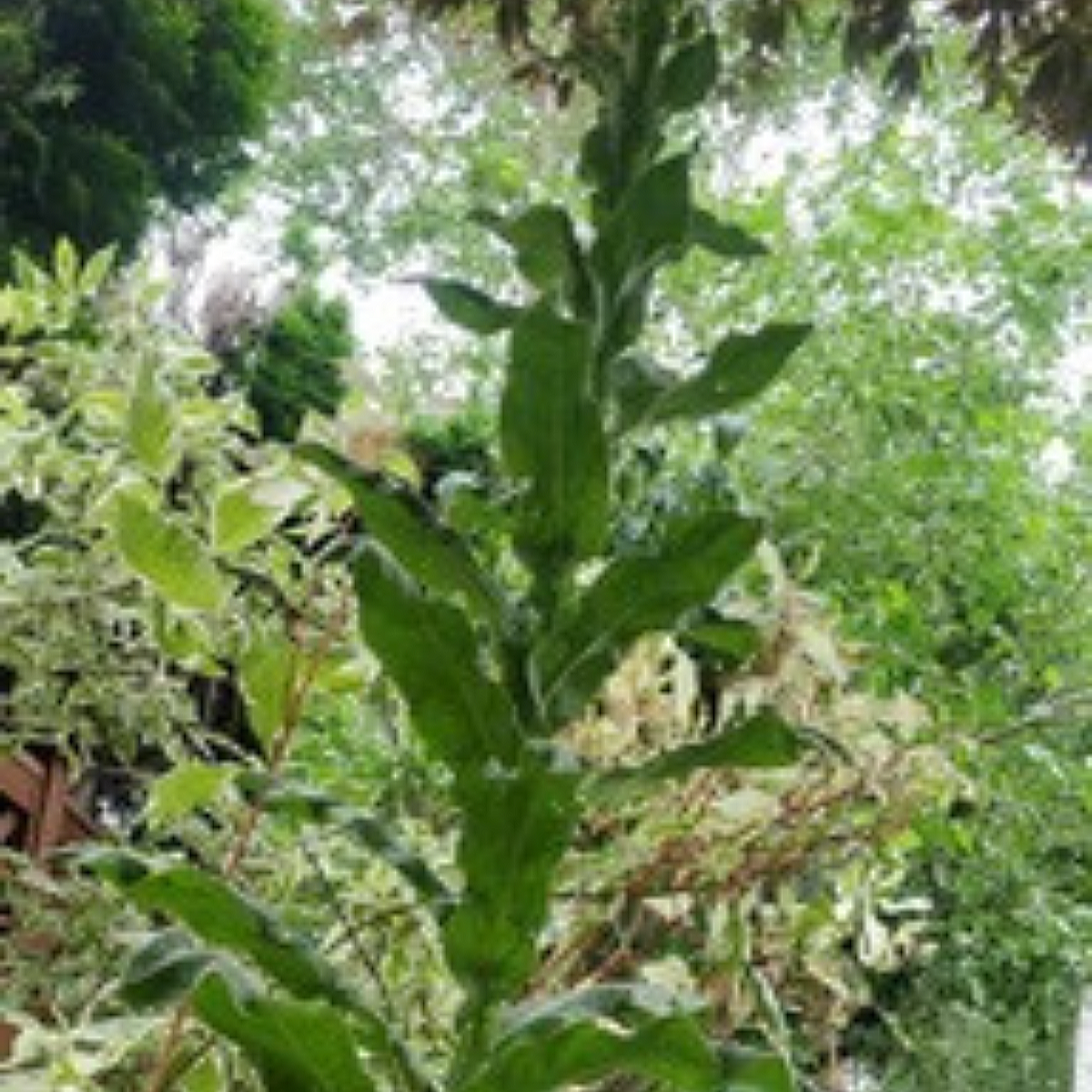
Mullein
Mullein has a long history of traditional use as a respiratory-supporting herb. It is often called a “lung herb” because of its soothing and supportive properties.
Mullein leaves contain mucilage, a natural plant compound that creates a soothing coating for irritated tissues. This can help calm dryness and irritation in the throat and respiratory passages. It also contains saponins, which are traditionally valued for their expectorant properties — helping support the body’s natural process of clearing mucus.
For those experiencing congestion, mullein has traditionally been used to support easier breathing by helping loosen mucus and soothe irritated airways.
Mullein is also naturally rich in antioxidants, including flavonoids and other plant compounds that help protect cells from oxidative stress. This is especially important when our bodies are exposed to environmental stressors such as smoke and pollution.
The leaves are harvested from the lower part of the plant and can be used fresh or dried. One of the simplest ways to work with mullein is by making a tea.
Mullein Tea
*To make a simple mullein tea
• Use dried mullein leaves (or fresh leaves if available)
• Steep in hot water for 10–15 minutes
• Strain the tea well before drinking
You can enjoy this hot or cold. I like to sweeten mine with a spoonful of local honey.
*Mullein leaves contain tiny hairs that can irritate the throat, so using a fine strainer or cheesecloth is important.
A mullein tincture is another traditional way to work with this plant and can be a convenient option to keep on hand during wildfire season. I personally love this Mullein tincture by St. Francis Herb Farm.
While we cannot always control what is happening outside in the environment, we can create supportive spaces inside our homes.
During wildfire season, consider:
Keeping windows and doors closed when smoke levels are high
Using an air purifier with a HEPA filter if you have access to one
Creating a clean-air space in your home where your body can rest
Staying hydrated and supporting your body with nourishing foods and herbs
Smoke Medicine & Sacred Smudging
For many Indigenous cultures, smoke medicine has been used for generations as a way to cleanse, purify, and create sacred space. The burning of plants such as sage and other traditional medicines is deeply connected to ceremony, prayer, intention, and our relationship with the plant world.
Modern research has also explored the antimicrobial properties of smoke from certain medicinal plants, showing that plant smoke can influence airborne microorganisms under controlled conditions. While smoke medicine is not a replacement for air filtration or protection from wildfire smoke, it can be a meaningful practice for supporting emotional, spiritual, and ceremonial well-being during challenging times.
During wildfire season, I hold both practices together: creating clean physical air in our homes through tools like HEPA air filtration, while also tending to the energy and spirit of our spaces through traditional smoke medicine.
Our lungs are constantly working to connect us with the world around us. During times when the air feels heavy, it is a reminder to slow down, listen to our bodies, and connect with the plant medicines that have supported humans for generations.
May we continue to care for ourselves, each other, and the land that sustains us.
As always, herbal remedies are supportive and are not a replacement for medical care. If you experience significant breathing difficulties, chest pain, or worsening respiratory symptoms, seek medical attention.
This article is for educational and informational purposes only. It is not, nor is it intended to be, a substitute for professional medical advice, diagnosis, or treatment and should never be relied upon for specific medical advice.
Dawn Rising is community supported. When you make a purchase through links on our site, we may earn an affiliate commission.
